Slow Yoga: Let Sense and Feel Lead the Practice
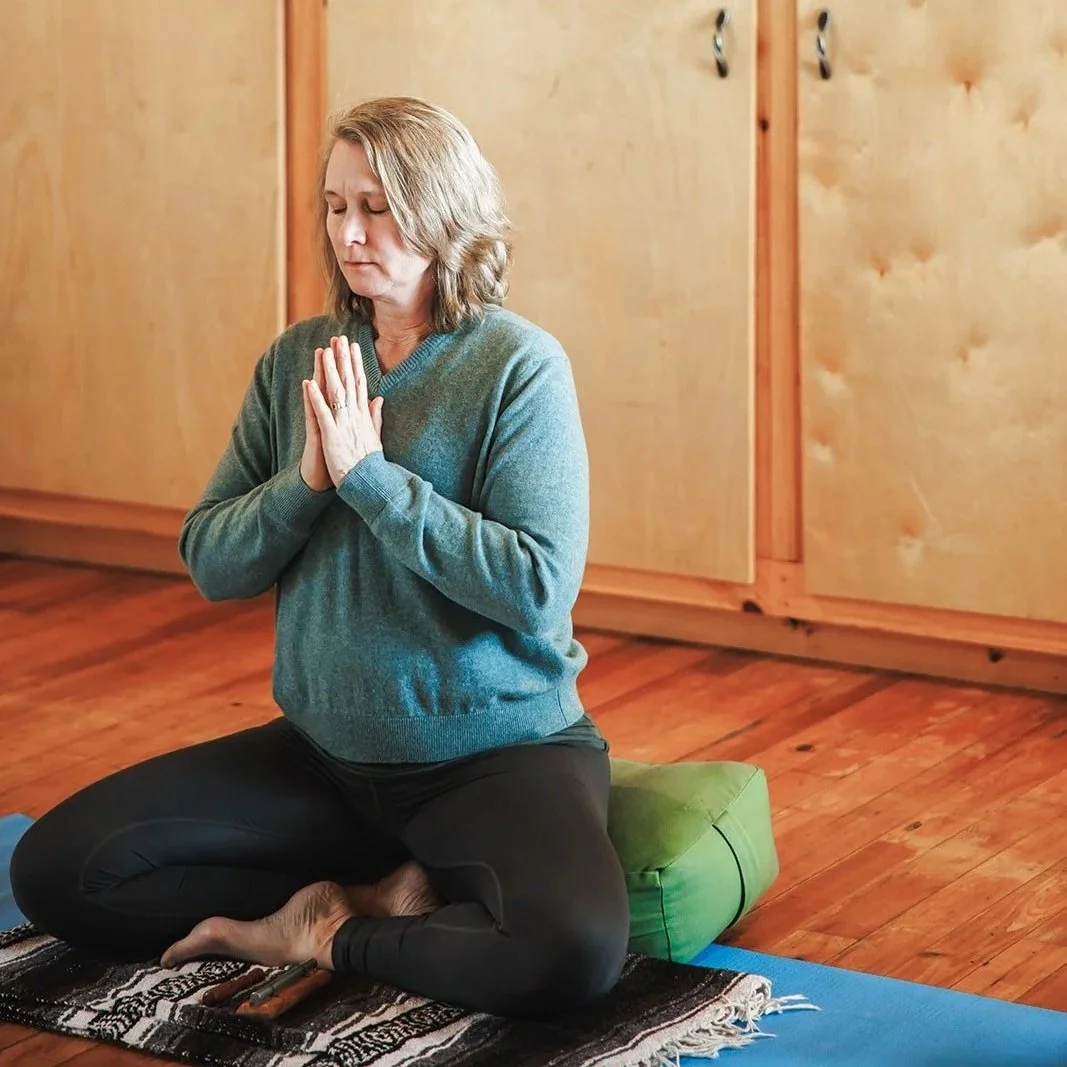
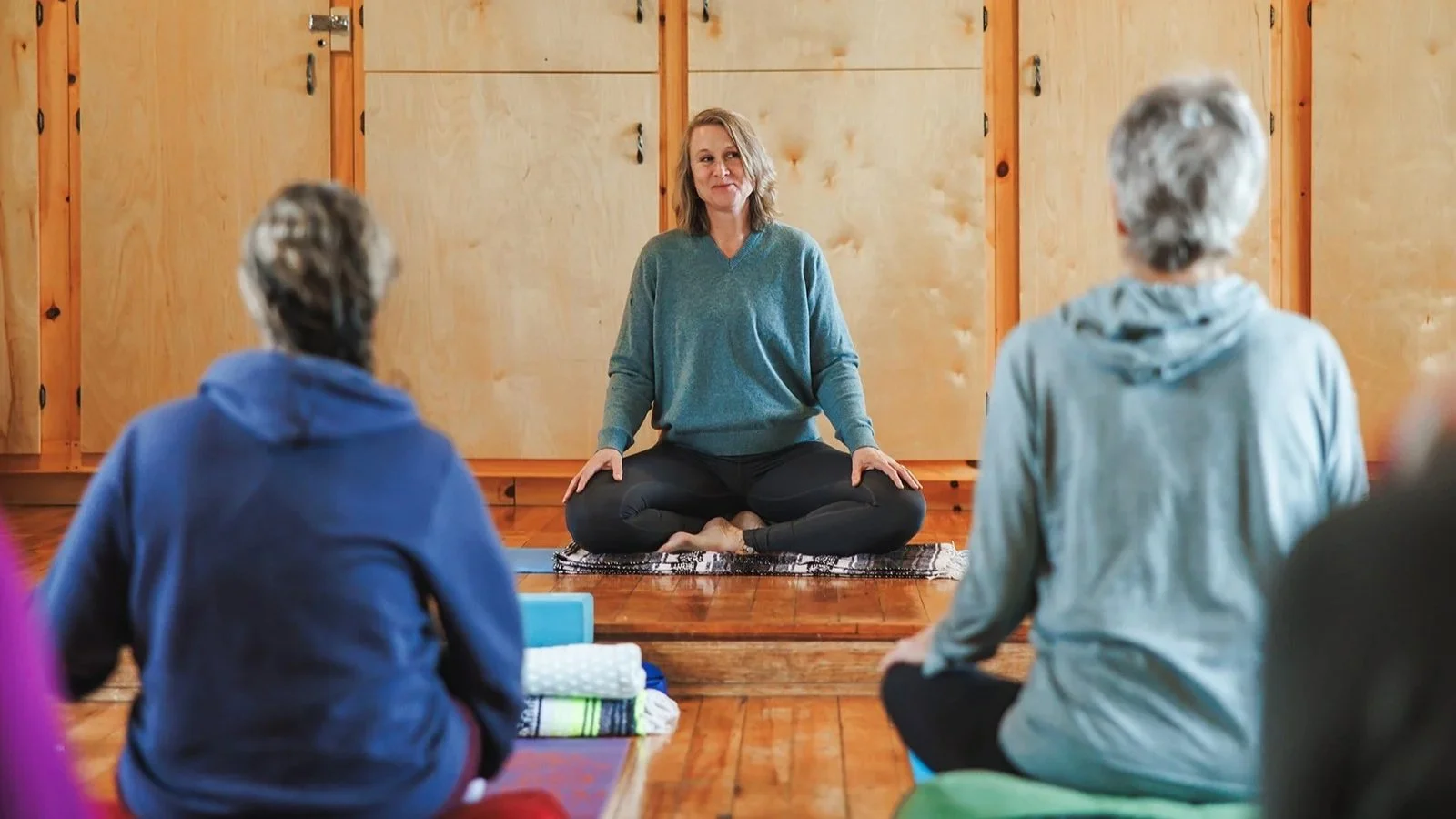
My slow yoga classes are led by sense and feel. Rather than focusing on how a posture looks or trying to achieve a particular shape, I invite you to pay attention to your own experience. How does the movement feel in your body? What happens when you breathe? Where is there ease, and where might you need to soften, pause or change direction?
There is no expectation to push through or perform. Instead, we slow things down and create space to listen.
What is slow yoga?
Slow yoga is a way of practising yoga at a more considered pace, allowing time to notice the body, the breath and the sensations created by movement.
For me, it isn't simply about moving slowly. It is about paying attention.
When we slow down, there is more opportunity to feel what is happening rather than automatically moving from one posture to the next. We can notice the subtle things: the weight of the feet, the movement of the breath, the sensation of stretching, the difference between effort and strain, or the moment when the body asks us to pause.
Read More
How to Use a Yoga Strap in Yin Yoga
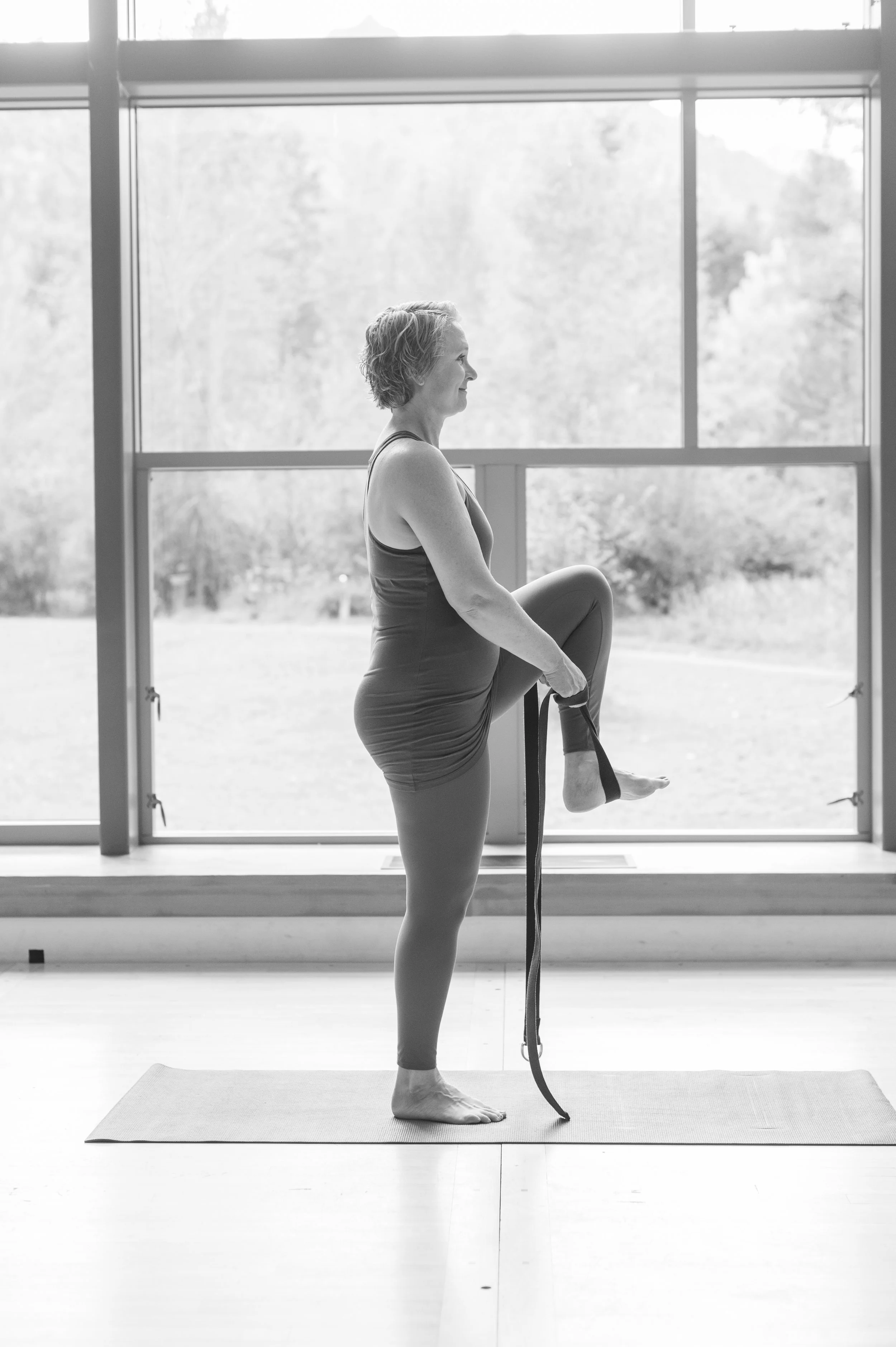
A yoga strap is a familiar prop in a Yin yoga class. With a buckle at one end, a strap can help you access a deepening of a pose that otherwise might not be accessible to you. I sometimes refer to straps as “arm extenders”, but in reality, they can be used in a variety of ways to close a gap between two body parts or to create a “bind” when a limited range of motion or inflexibility doesn’t allow for it comfortably. In yin yoga, where poses are held for several minutes at a time, a strap is one of the most useful props you can own, it lets you settle into a stretch with support, rather than gripping or overreaching to hold a pose unaided.
This post walks through three moves we use a strap for most often in my yin classes: a hip opener, pedalling the feet, and a calf stretch. Plus you’ll learn how to adapt twists and leg stretches with a bolster, whether a strap is a good idea if you're returning to practice after time off, or working around an injury.
Read More
What Is Somatic Movement? Benefits, Origins + How It Works
Somatic movement is also known as somatic education or somatic therapy and is a lineage of gentle, mindful movement practices that began with Moshe Feldenkrais's Awareness Through Movement (ATM) lessons. I think of somatic movement as neuromuscular repatterning: through gentle, conscious movements done with full awareness, we can break down old habits of posture and movement and open up the possibility of sitting, standing and moving in new, more efficient ways
Read More
Ask Joanna: Yoga for injury: How to practice yoga despite illness or injury
Plenty of people practice yoga despite all kinds of physical limitations. To me, this is the beauty of yoga: the practice adapts to the individual, to a variety of shapes and abilities, to bodies of all ages. It always saddens me to hear of a student who says that they have stopped practicing due to an injury or illness. Yoga offers many benefits beyond the poses! And while our yoga practice might look different than it used to be, we can still find ways to practice.
Read More
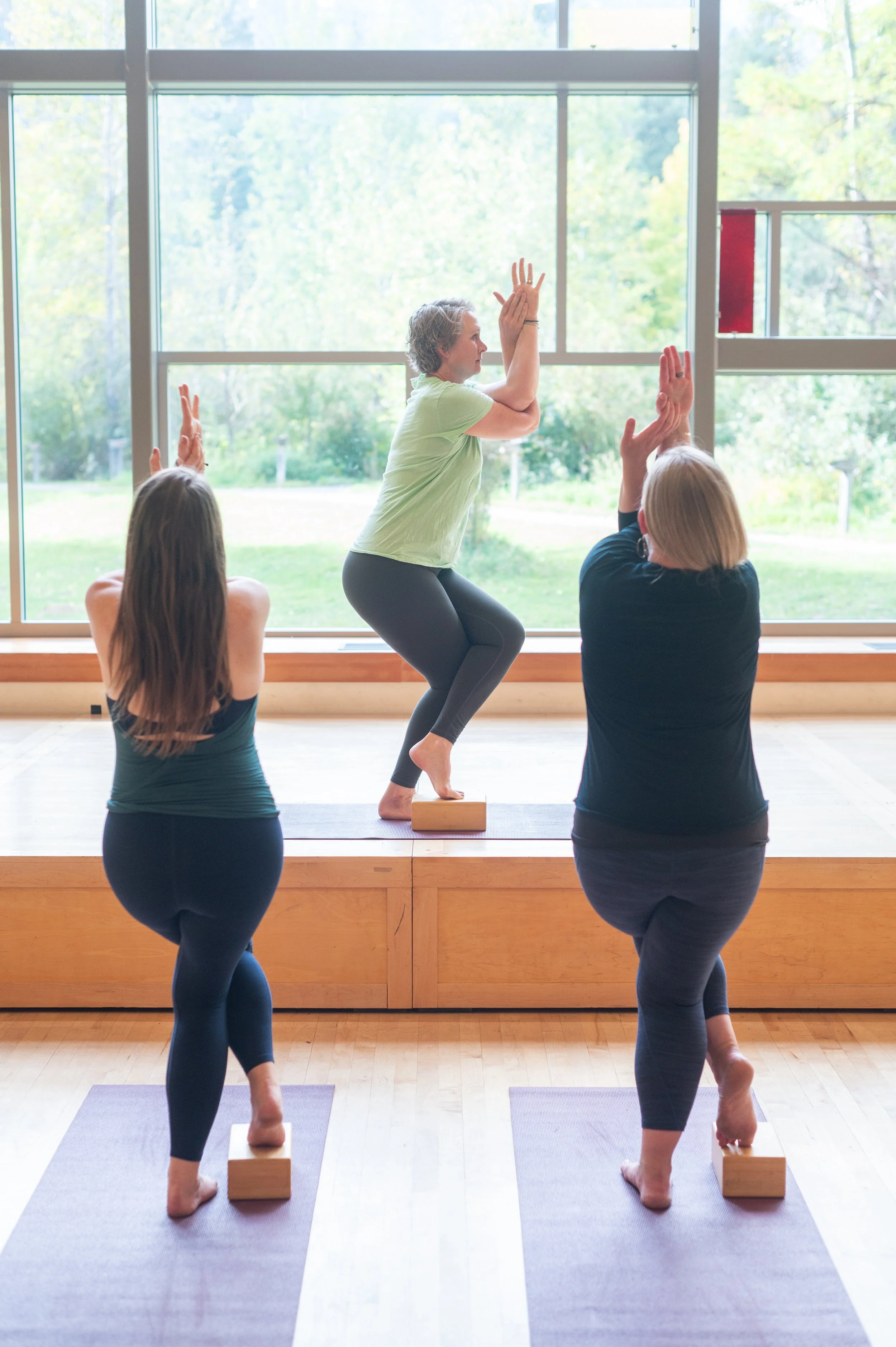
The Benefit of Garudusana Or Eagle Pose With A Yoga Block
When you stand on a yoga block, your foot is no longer resting on a flat surface. The edges of the block ask your foot to wake up, every small muscle, every tiny joint, the arch, the heel, the toes. Your ankles begin to work in a way they simply don’t on flat ground. Once you add eagle arms with arms crossed and lifted, palms pressing together, elbows drawing away from the body, your whole system is engaged
Read More
The missing piece to consistency in your meditation practice
I know that I'm not alone. In the last year, I went on retreat with Tuere Sala who is meditation teacher based in Seattle. She shared that she also went several years without meditating at home. To hear this from one of my teachers was life-changing. I want to do for you what she did for me...
There are a few things that I have put in place in my life that help me to be more consistent in the big picture and I thought I would share them with you.
Read More