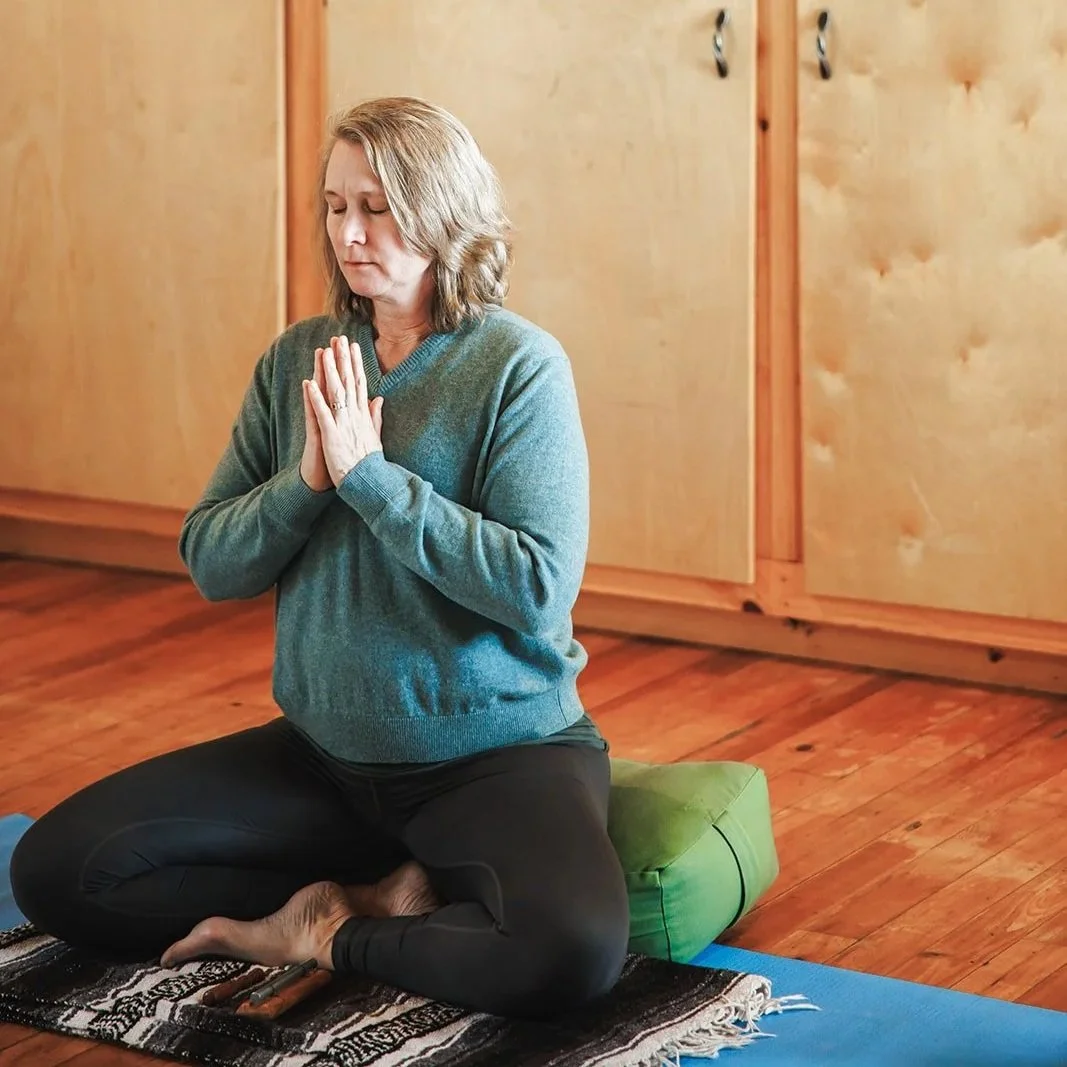
A Retreat Gives Us Permission To Do Something Different
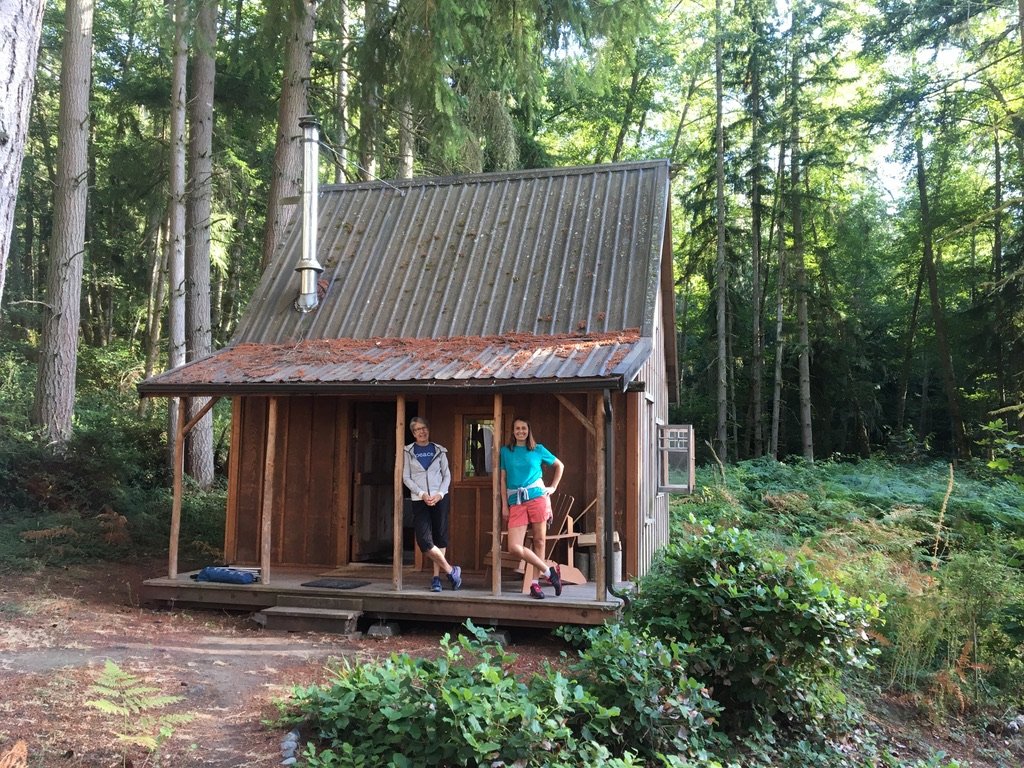
There is something about going away that changes the way we see things.
Maybe it’s the physical distance from our everyday lives. Maybe it’s being somewhere surrounded by trees, water and open space. A retreat gives us permission to do something different, we step out of our usual routines and we finally have enough quiet to hear what has been underneath all the noise.
I’ve been thinking about this as Amber and I prepare for our return to Whidbey Island in June 2027.
Read More
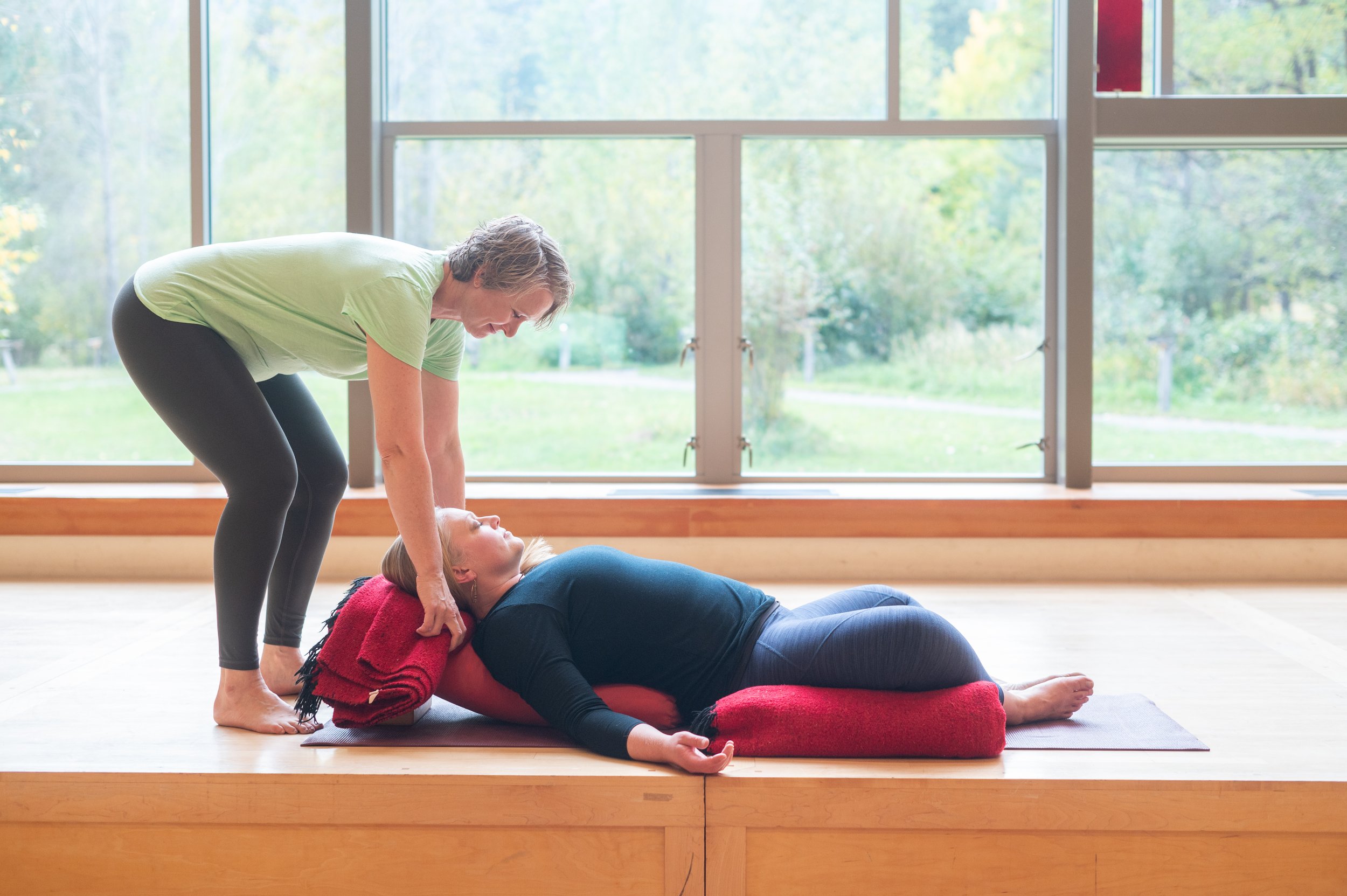
Hot Yoga vs Restorative Yoga: Which style is right for you?
Many times I have found myself in one of those conversations with a stranger - perhaps the person sitting next to me on a flight or similar situation - and the conversation turns to what I do for work. It often sounds like this,
Stranger: “What do you do for work?”
Me: “I’m a yoga teacher.”
Stranger: “Really? What style do you teach?”
Me: “Well, do you do yoga?”
Stranger: “I tried hot yoga once and I couldn’t handle it.”
Read More
Sciatica Stretch: Safe, Simple Moves
Sciatica is the nerve pain that runs from your lower back down through your hip and leg, usually caused by pressure on the sciatic nerve. Stretching won't fix the underlying cause on its own, but it can ease tightness in the muscles around the nerve and take some pressure off, which is often where the relief comes from.
To perform a stretch to help ease discomfort from sciatica, focus on gentle movements that release the lower back, glutes and hamstrings this is where the sciatic nerve often gets compressed. The most effective stretches include knee-to-chest, seated figure-four, and reclining pigeon pose. Hold each for 20–30 seconds, breathe steadily, and stop if you feel sharp pain rather than a mild stretch.
Read More
Slow Yoga: Let Sense and Feel Lead the Practice
My slow yoga classes are led by sense and feel. Rather than focusing on how a posture looks or trying to achieve a particular shape, I invite you to pay attention to your own experience. How does the movement feel in your body? What happens when you breathe? Where is there ease, and where might you need to soften, pause or change direction?
There is no expectation to push through or perform. Instead, we slow things down and create space to listen.
What is slow yoga?
Slow yoga is a way of practising yoga at a more considered pace, allowing time to notice the body, the breath and the sensations created by movement.
For me, it isn't simply about moving slowly. It is about paying attention.
When we slow down, there is more opportunity to feel what is happening rather than automatically moving from one posture to the next. We can notice the subtle things: the weight of the feet, the movement of the breath, the sensation of stretching, the difference between effort and strain, or the moment when the body asks us to pause.
Read More
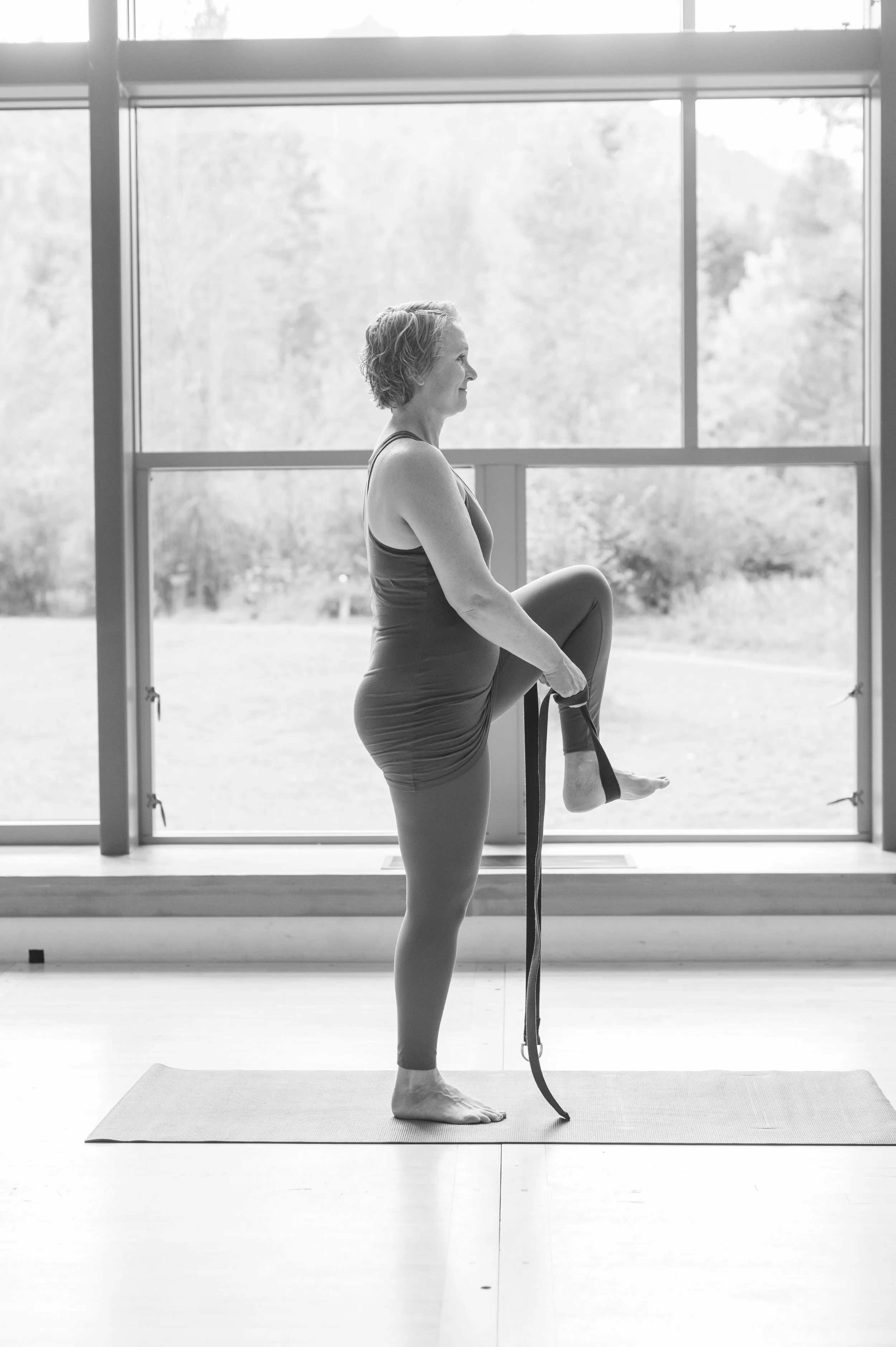
How to Use a Yoga Strap in Yin Yoga
A yoga strap is a familiar prop in a Yin yoga class. With a buckle at one end, a strap can help you access a deepening of a pose that otherwise might not be accessible to you. I sometimes refer to straps as “arm extenders”, but in reality, they can be used in a variety of ways to close a gap between two body parts or to create a “bind” when a limited range of motion or inflexibility doesn’t allow for it comfortably. In yin yoga, where poses are held for several minutes at a time, a strap is one of the most useful props you can own, it lets you settle into a stretch with support, rather than gripping or overreaching to hold a pose unaided.
This post walks through three moves we use a strap for most often in my yin classes: a hip opener, pedalling the feet, and a calf stretch. Plus you’ll learn how to adapt twists and leg stretches with a bolster, whether a strap is a good idea if you're returning to practice after time off, or working around an injury.
Read More